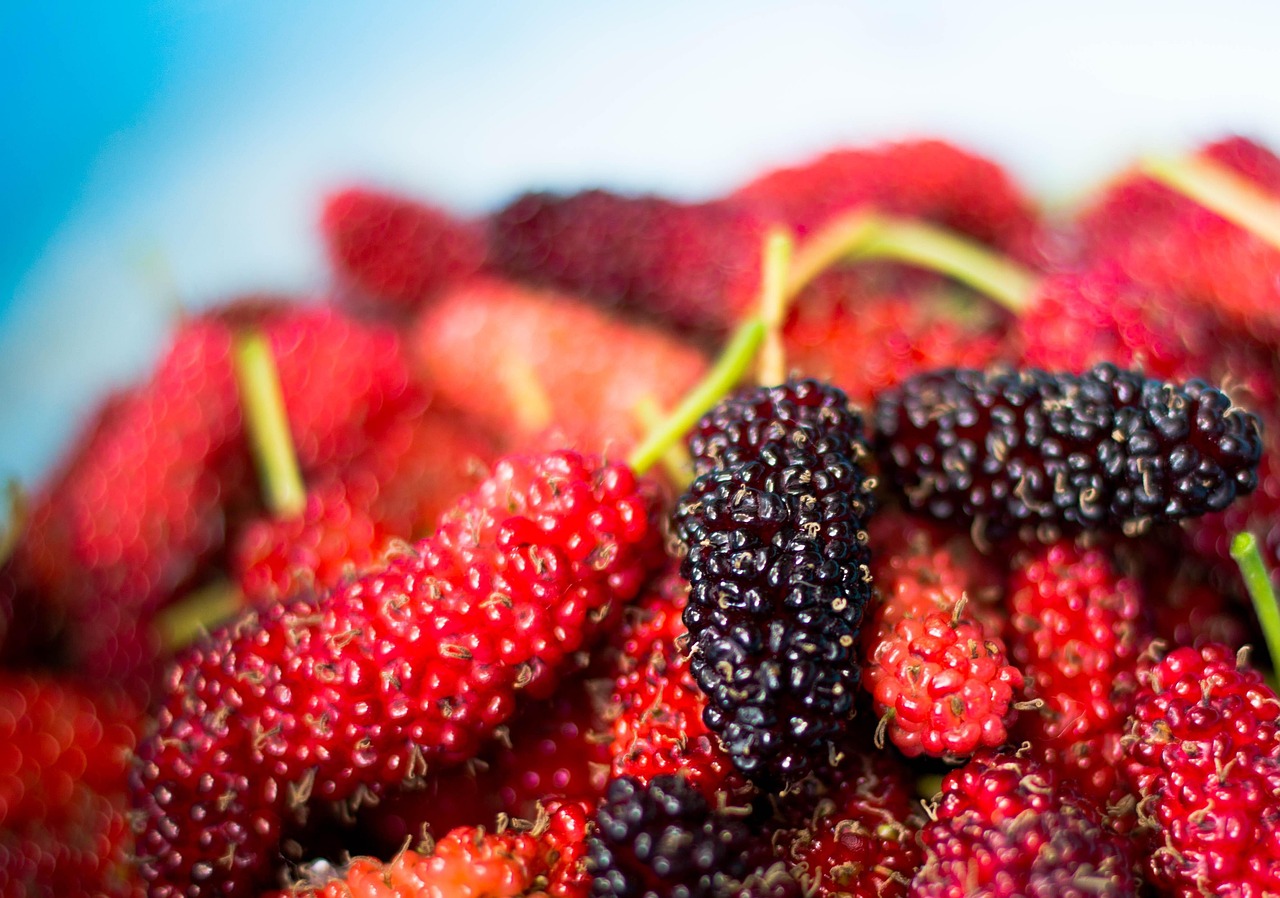
In the vibrant city of Mesa, Arizona, one tree stands out as a symbol of beauty and potential value addition to your property—the mulberry tree. This fast-growing, majestic tree offers more than just shade; it can significantly enhance the curb appeal and overall value of your home. In this comprehensive guide, we will explore the various ways a mulberry tree contributes to raising your property's estimate in Mesa, providing insights for both current homeowners and aspiring real estate investors.
Understanding Mulberry Trees: A Native Beauty in Mesa
What is a Mulberry Tree?
Mulberry trees (Morus spp.) are native to many regions worldwide, including parts of the United States, particularly the Southwest. In Mesa, Arizona, you're likely to encounter two common species: Red Mulberry and White Mulberry. These trees are known for their rapid growth, reaching maturity in just 3-5 years, making them a popular choice for homeowners seeking quick shade and visual appeal.
Why Choose a Mulberry Tree?
-
Aesthetic Appeal: Mulberry trees boast vibrant green foliage that turns stunning shades of red, orange, or purple during the fall, adding a pop of color to any landscape.
-
Fast Growth: Their robust growth rate means they can provide immediate benefits in terms of shade and visual interest, making them ideal for those seeking quick improvements to their property.
-
Adaptability: Native to Arizona, mulberry trees are well-adapted to the region's climate, requiring minimal maintenance once established.
How Mulberry Trees Boost Your Home's Value
1. Increased Curb Appeal
A well-placed and neatly pruned mulberry tree can instantly elevate the exterior aesthetics of your home. Real estate agents often emphasize the impact of trees on a property's curb appeal, as they create a welcoming atmosphere and enhance the overall look and feel of the landscape. In Mesa, where the climate encourages lush greenery, a healthy mulberry tree can be a significant selling point for potential homebuyers.
2. Improved Property Value
The addition of a desirable feature like a mulberry tree can directly impact your home's value. According to local real estate trends in Mesa, properties with well-manicured trees and landscaping often command higher prices. The Arizona climate allows for year-round greenery, making mulberry trees a constant source of visual interest and a tangible benefit for homeowners.
3. Privacy and Shade
Mulberry trees provide both natural privacy and shade, creating outdoor spaces that are more comfortable and usable. In Mesa's warm climate, these features become increasingly valuable, as residents seek ways to cool down and enjoy the outdoors without excessive sun exposure. A mature mulberry tree can serve as a natural screen, offering privacy from neighbors while providing a shaded retreat for relaxation or entertainment.
4. Environmental Benefits
Beyond their aesthetic value, mulberry trees contribute to the overall health of your property and the local ecosystem. They provide habitats for birds and small animals, supporting biodiversity in urban areas. Additionally, these trees help with air purification, absorbing pollutants and releasing oxygen, which can be particularly beneficial in densely populated cities like Mesa.
Planting and Maintaining Mulberry Trees in Mesa
When to Plant?
The best time to plant a mulberry tree in Mesa is during the late winter or early spring when the tree is still in its dormant phase. This allows the tree to establish itself before facing the summer heat. Avoid planting too late in the fall as this might cause shock to the tree, affecting its growth the following year.
Where to Plant?
-
Sunlight: Mulberry trees thrive in full sun, so choose a location with minimal obstruction from other structures or trees.
-
Soil: They are adaptable to various soil types but prefer well-drained, slightly acidic soil rich in organic matter.
-
Space: Allow sufficient space for the tree's canopy to grow without interfering with overhead utilities or building structures.
Care and Maintenance:
-
Watering: Regular watering is essential during the first few years after planting, especially during dry spells. Once established, mulberry trees are relatively drought-tolerant.
-
Fertilization: Apply a balanced fertilizer in early spring to promote healthy growth.
-
Pruning: Light pruning after the tree has fruited (usually late summer) ensures better airflow and shape. Remove any dead or diseased branches throughout the year.
-
Pest Management: Mulberry trees are generally free from severe pest issues, but occasional inspections can help identify any potential problems early on.
Frequently Asked Questions (FAQs)
How much does a mulberry tree cost to install?
The cost of planting a mulberry tree varies based on the species, size, and location. In Mesa, you can expect to pay between $50 to $200 for a small, potted tree, while larger, balled-and-burlap trees might range from $150 to $400 or more.
Are mulberry trees messy?
Mulberry trees produce fruits that fall to the ground, creating some litter. However, this is a minor inconvenience compared to the numerous benefits they offer. Regular cleaning under the tree can keep the area tidy.
Do mulberry trees require a lot of maintenance?
With proper care, mulberry trees are relatively low-maintenance. They don't typically require extensive pruning and are usually free from severe disease or pest issues. Light trimming after fruiting and occasional fertilization will keep them healthy and thriving.
Can a mulberry tree grow in a container?
While some species of mulberry trees can be grown in containers, it's not recommended for long-term health and growth. Container-grown trees may struggle with root bind and require more frequent repotting. Planting in the ground allows them to reach their full potential.
How does a mulberry tree contribute to energy savings?
Mulberry trees provide natural shade, reducing the need for air conditioning during hot summer months. This can lead to significant energy savings for homeowners, making your property more attractive to eco-conscious buyers.
Conclusion: Invest in Nature, Boost Your Home's Value
In the vibrant community of Mesa, Arizona, a mulberry tree stands as an excellent investment opportunity for both environmental and financial gains. Its rapid growth, beauty, and practical benefits make it a valuable addition to any home's landscape. By increasing curb appeal, providing privacy, and contributing to energy efficiency, mulberry trees can significantly enhance the overall value of your property.
So, whether you're looking to create a peaceful outdoor retreat or attract potential homebuyers, consider planting a mulberry tree—a natural asset that will surely appreciate along with your home's value over time.
In 2026, the integration of Mulberry trees into Mesa's real estate strategy has evolved even further. With advanced landscaping techniques and a deeper understanding of climate adaptation, homeowners are now utilizing Mulberry trees as part of comprehensive property enhancement plans. These strategies include multi-seasonal landscaping designs that highlight the tree's year-round appeal, from vibrant fall foliage to fragrant spring blossoms. Moreover, the increasing demand for eco-friendly and native plant solutions has elevated the Mulberry's status as a desirable and sustainable addition to Mesa's urban landscape. This trend reflects a broader shift towards more harmonious and environmentally conscious property development practices. Explore the latest trends in Mulberry tree integration within Mesa's real estate market